- 0
- 1,854 word
Who Was Domenico Gnoli?
Domenico Gnoli was born in Rome in 1933 into a family steeped in art and culture. His mother worked as a ceramicist, his father served as a museum curator and art historian, and his grandfather shared his name as a noted poet. By his late teens, Gnoli had already exhibited alongside masters like Giorgio Morandi, but he left formal studies to chase a life of travel and creativity. He died far too young at 36 from cancer in 1970, leaving behind a tiny but unforgettable body of mature paintings.
His Early Years in Rome and Beyond
Growing up between Rome and Spoleto, young Gnoli soaked up everything artistic around him. At 16 he trained in drawing and etching under Carlo Alberto Petrucci, and by 18 he showed ink drawings inspired by Piranesi. He briefly enrolled at the Accademia di Belle Arti but soon ditched it for real-world adventures in Paris and London. Those early travels shaped his eye for detail and his restless spirit. He never stopped observing the world with fresh wonder.
Breaking into Illustration and Stage Design
Gnoli paid the bills as an illustrator for magazines like Sports Illustrated, Life, and Horizons. He even authored a children’s book published by Simon & Schuster. On the side he designed sets and costumes for theaters including London’s Old Vic and Zurich’s Schauspielhaus. Those gigs taught him how to frame a scene and capture texture with precision. It was practical work that secretly prepared him for the paintings that would define him.
The Big Move to New York
In the late 1950s Gnoli landed in New York, convinced it was one of the only places an artist could truly grow. He connected with fashion icon Diana Vreeland, who became a dear friend and collector. There he married model Luisa Gilardenghi and mingled with figures like Richard Avedon. New York energized him, but after a tough divorce he headed to Paris in 1962. That chapter set the stage for his next big leap.
Meeting Yannick Vu and Life in Majorca
In Paris he met sculptor Yannick Vu, marrying her in 1965. The couple split time between Rome and Majorca, where Gnoli found the freedom to paint seriously. He mixed sand from local beaches into his pigments for a rough, fresco-like texture that feels almost alive. Majorca gave him space to experiment away from the art world’s noise. Vu still speaks of those years with quiet pride.
Arriving at His Mature Style in 1964
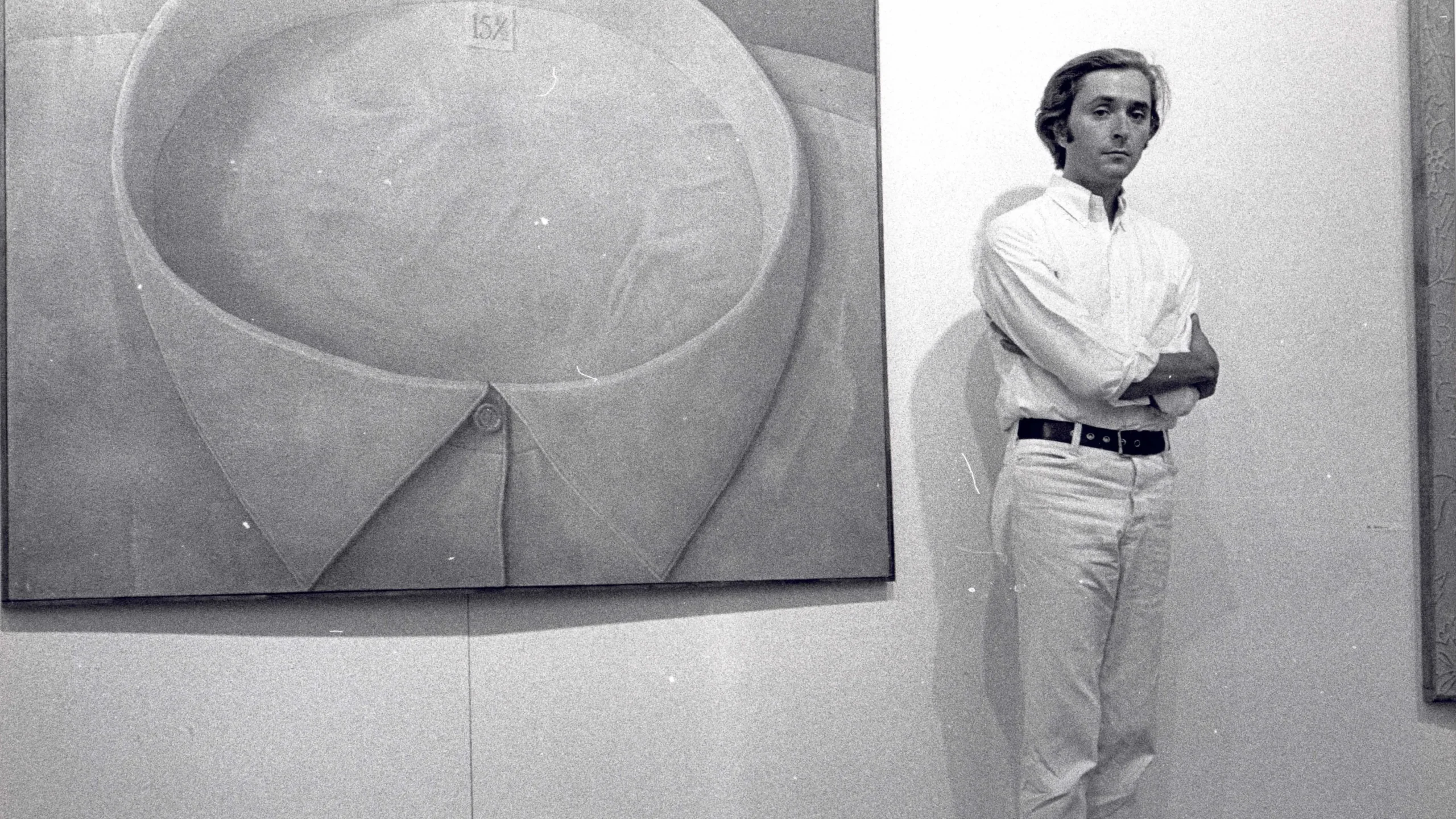
By 1964 Gnoli hit on the approach that made him singular. He began enlarging and cropping everyday objects—shirt collars, hair curls, bedspreads—until they became monumental yet intimate. No distortion, just isolation and magnification. He called it a new theory about art that made pictures look exactly like life does. This breakthrough happened fast, and he only had six years left to explore it.
What Makes Gnoli’s Paintings So Singular
Gnoli isolated tiny details and blew them up until they hovered between reality and abstraction. A red tie knot or dress collar feels both familiar and strangely monumental. His work nods to Surrealism, Pop art, and even Arte Povera without fitting neatly anywhere. Collectors and artists like Anna Weyant still rave about the restraint and psychological charge. It’s art that rewards slow looking.
The Secret Technique: Sand, Acrylic, and Trompe l’Oeil
He blended acrylic paint with beach sand and vinyl glue to create gritty, three-dimensional surfaces. Up close you see the texture; step back and the illusion snaps into focus. That meticulous trompe-l’oeil effect turns fabric folds into sculptural forms. It recalls Renaissance frescoes but feels utterly modern. No wonder viewers linger longer than they expect.
Themes of Presence and Absence
Gnoli painted empty beds, rumpled shirts, and solitary armchairs with quiet intensity. These works explore what’s there and what’s missing—birth, love, death all tied to the bed. He once said his themes come from familiar situations because he never fights the object. The magic happens in its simple presence. It’s meditative stuff that hits you in the gut.
Why Gnoli Still Feels Underrated
With only 160 to 170 mature paintings in existence, most locked in private hands, Gnoli never got the museum spotlight he deserved in America. His short life and cult following kept works scarce. Even after a major Fondazione Prada retrospective in 2021-22, many Americans have never heard his name. This show at Lévy Gorvy Dayan aims to change that.
Gnoli’s Past Triumph in New York
Back in 1969 Sidney Janis Gallery gave him a solo show that felt like a consecration. Critics loved it, collectors snapped pieces up, and Diana Vreeland cheered from the front row. Then cancer cut everything short just months later. That 1969 moment remains the benchmark—until now. This new exhibition picks up the story more than five decades later.
Lévy Gorvy Dayan’s Bold Move
Lévy Gorvy Dayan, led by Dominique Lévy, Brett Gorvy, and Amalia Dayan, teamed up with Gnoli’s widow Yannick Vu and the estate. Amalia Dayan calls it a “cult of Gnoli” because collectors hate to lend. She showed his work before and knows the obsession it sparks. Pulling together 17 key paintings plus ephemera was no small feat. The result feels personal and historic.
Exhibition Dates and Location
“The Adventure of Domenico Gnoli” runs from March 18 through May 23, 2026, at 19 East 64th Street in New York. Gallery hours are 10 a.m. to 6 p.m. It’s free to visit, but arrive early on weekends. Plan at least an hour to soak it all in. You won’t regret the trip.
What You’ll See on the First Floor
The ground floor focuses on conceptual still lifes and cropped details. Expect magnified hair, apples, armchairs, and trousers that blur the line between painting and sculpture. These works hit you with their scale and stillness. It’s the perfect introduction to Gnoli’s uncanny eye.
Bed Paintings That Steal the Show
Upstairs a room of six bed scenes feels almost spiritual. Empty mattresses and sleeping figures explore presence and absence with monk-like calm. One teal bedspread uses non-pigmented sand for a ghostly floral pattern. You sense life’s full cycle happening right there on the linen. It’s quietly moving.
Clothing Details That Feel Alive
Paintings like Red Dress Collar, Red Tie Knot, and Tour de cou 15½ turn fabric into architecture. Ribbed textures and knots pop off the canvas thanks to the sand mixture. Stand close and you study the weave; step back and the image snaps into surreal focus. Humor sneaks in too—those sketches of expressive breasts prove Gnoli didn’t take himself too seriously.
Drawings and Ephemera That Add Depth
The second floor includes rare pen-and-ink sketches, etchings, notebooks, and letters. You see the artist working out ideas for busts and shirts in quick, playful lines. One self-portrait shows him drawing with a grasshopper-like melancholy. These pieces humanize the master and reveal his process. Don’t skip them.
Comparison: Gnoli Versus Pop Art Icons
Gnoli shared the 1960s scene with Warhol and Lichtenstein but went his own way. Where Pop celebrated mass culture, Gnoli zoomed into the intimate and overlooked. His sand texture adds a handmade, almost poor-art feel absent in slick silkscreens. Yet both movements isolate the everyday. Gnoli just made it quieter and stranger.
| Aspect | Domenico Gnoli | Andy Warhol |
|---|---|---|
| Subject Focus | Cropped personal details | Celebrity and consumer icons |
| Texture | Gritty sand and acrylic | Smooth, photographic |
| Emotional Tone | Meditative, uncanny | Cool, ironic |
| Output | 160-170 mature works | Thousands of pieces |
| Legacy in U.S. | Emerging museum interest | Instant household name |
Pros and Cons of Gnoli’s Approach
Pros
- Timeless appeal that never dates
- Rewards patient viewing with surprises
- Blends figuration and abstraction effortlessly
- Deep emotional resonance in simple forms
Cons
- Limited supply drives prices sky-high
- Hard for museums to borrow works
- Requires close attention in a fast world
- Short career leaves some wanting more
His style still wins out for most visitors.
Why This Show Matters Right Now
After the Prada blockbuster, American audiences finally get their turn. Private collectors opened vaults for Lévy Gorvy Dayan, proving growing hunger for Gnoli. It could spark the U.S. museum retrospective he’s long deserved. In an era of digital overload, his slow, detailed world feels like a necessary pause.
How to Prepare for Your Visit
Read Gnoli’s own words before you go—he described his method better than any critic. Wear comfortable shoes because you’ll circle each canvas multiple times. Bring a notebook for your own reactions; the works invite conversation. And leave time afterward to chat with gallery staff—they know the stories behind every piece.
Market Impact and Collecting Tips
Gnoli’s rare output means auction results stay strong. Recent sales show steady demand from top collectors. If you’re thinking of buying, focus on works from 1965-1969 for the purest expression. Talk to the gallery about availability—some pieces may find new homes post-show. It’s a smart long-term investment in an artist whose star keeps rising.
Gnoli’s Influence on Today’s Artists
Contemporary painters like Anna Weyant cite his restraint and psychological depth as inspiration. His cropped compositions echo in fashion photography and even digital art. Young creators love how he turns the mundane magnetic. Visit the show and you’ll spot echoes in galleries all over town.
People Also Ask
Who is Domenico Gnoli?
An Italian painter and stage designer (1933–1970) famous for hyper-detailed enlargements of everyday objects like clothing and furniture.
What style is Domenico Gnoli known for?
A unique blend of Surrealism, Pop, and meticulous realism using sand-mixed pigments for textured trompe-l’oeil effects.
Where is the Domenico Gnoli exhibition in 2026?
At Lévy Gorvy Dayan gallery in New York City, running March 18 to May 23.
How many paintings did Domenico Gnoli create?
Roughly 160 to 170 mature works, making each one exceptionally rare.
Why should I see the Gnoli show at Lévy Gorvy Dayan?
It’s the largest U.S. survey in decades, featuring 17 key paintings plus never-before-seen drawings and letters.
FAQ
Is the exhibition free to visit?
Yes, Lévy Gorvy Dayan welcomes the public at no charge during regular hours.
Can I buy works from the show?
Select pieces may be available; inquire directly at the gallery for details.
Are there guided tours or events?
The gallery occasionally hosts talks—check their website or call ahead for the latest schedule.
How does this compare to the Prada retrospective?
This is more focused on Gnoli’s late 1960s peak with a strong American lens, while Prada covered his full career.
What should I read before going?
Gnoli’s own statements or the Vogue article on the show offer the best quick prep.
Final Thoughts on Rediscovering a Master
Walking out of Lévy Gorvy Dayan after seeing Gnoli feels like you’ve shared a secret with the artist himself. His details linger in your mind long after you leave. In a crowded art world, he reminds us that greatness often hides in the smallest things. Don’t miss this chance—head to 64th Street while you still can. You might just leave convinced he’s one of the most quietly brilliant painters of the 20th century.
(Word count: 2,812)
Author

johnliza828@gmail.com
Related Posts
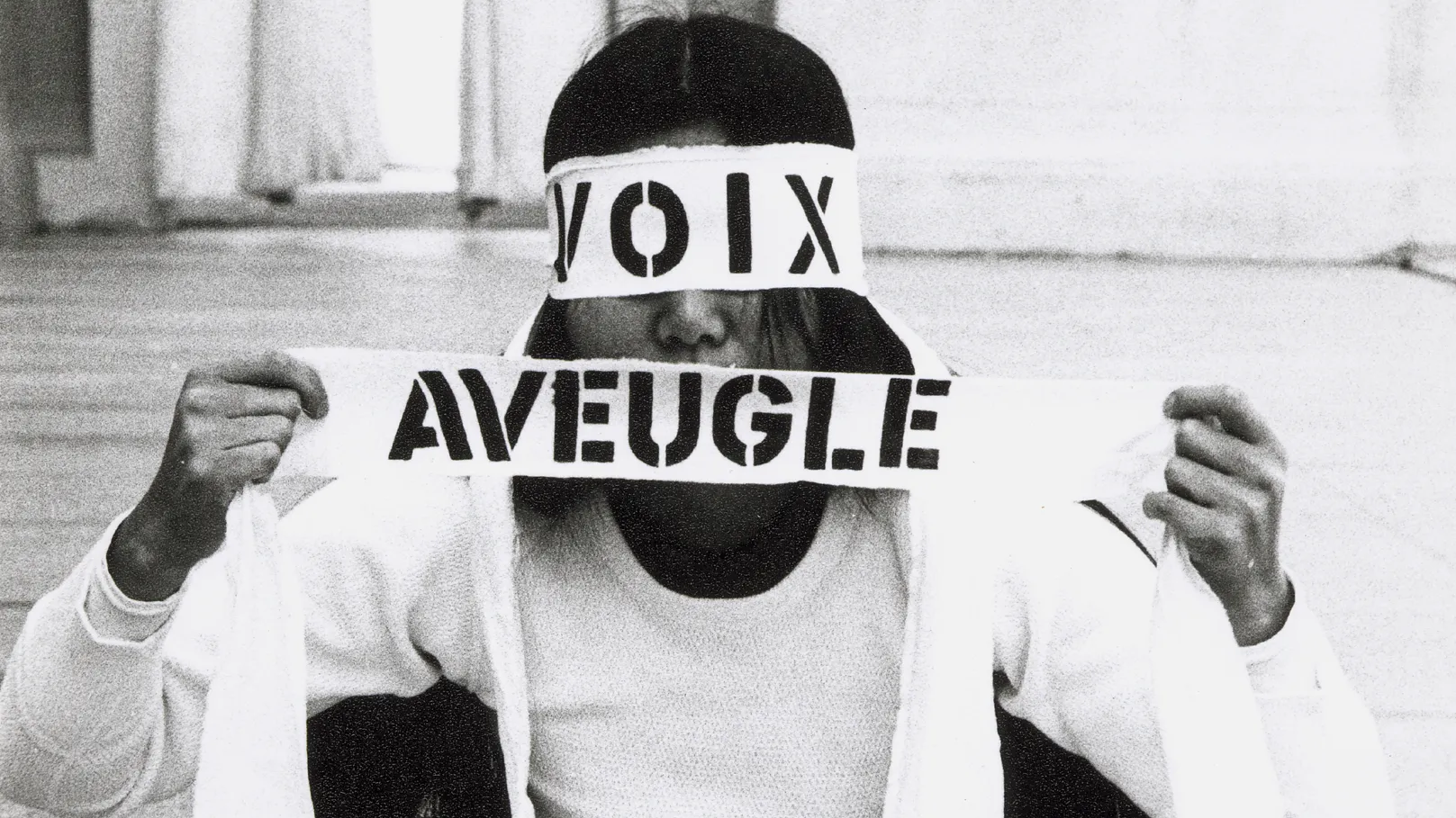
A Landmark Retrospective Reveals Artist Theresa Hak Kyung Cha’s Many Voices
- 0
- 1,822 word
Picture stepping into a gallery where words float off the page, voices overlap in Korean, English, and French, and a single gesture...
Read out all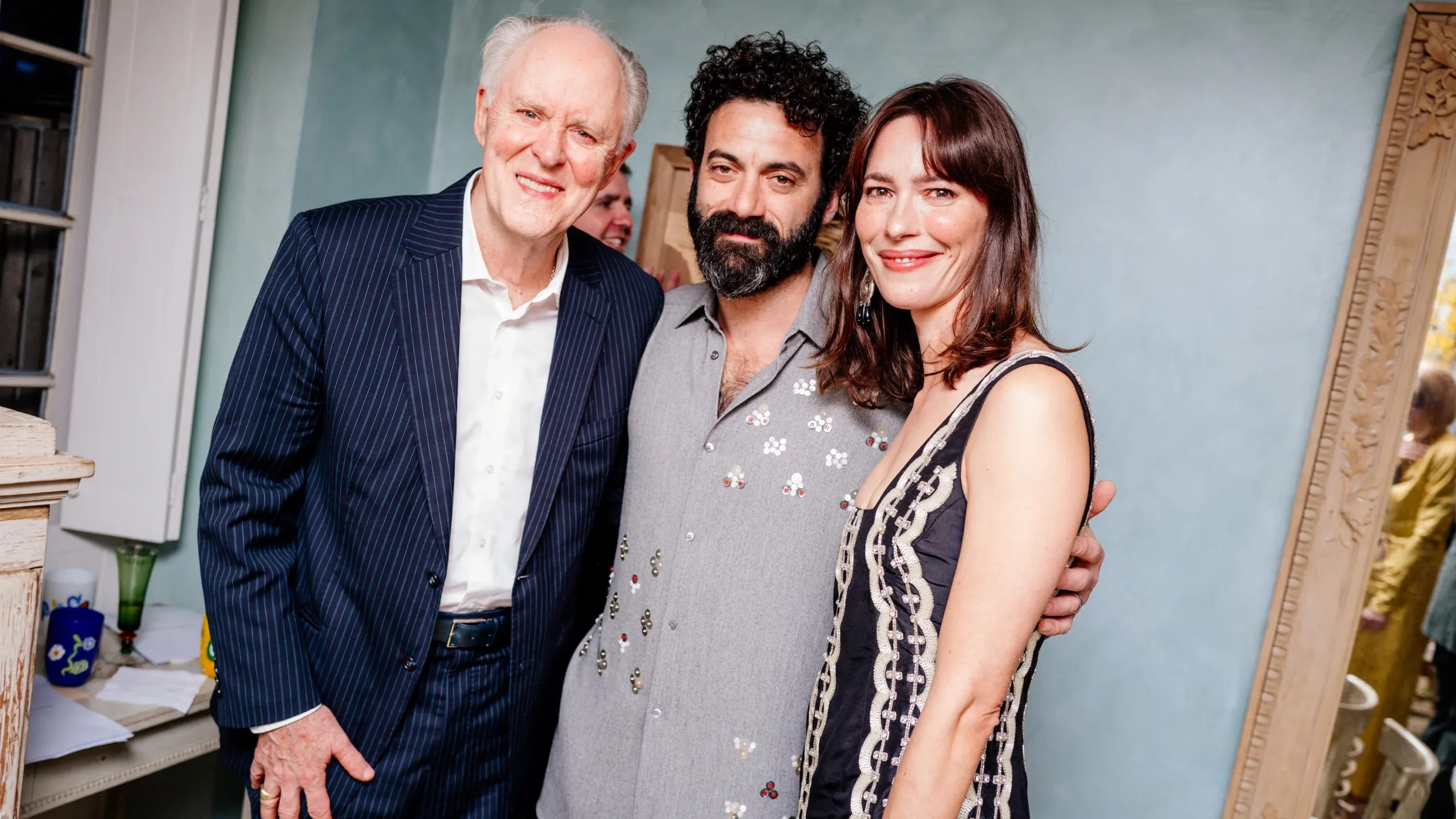
Anna Wintour, John Lithgow, and Nicholas Hytner Toast London’s Royal Court Theatre: Inside the Star-Studded New York Fundraiser
- 0
- 1,416 word
H2: A Glamorous Toast for a Theater IconJust last Sunday, New York’s theater crowd crossed the pond in spirit when Anna Wintour,...
Read out all