- 0
- 1,845 word
H2: Kim Gordon’s Play Me Drops with a Wink and a Wallop
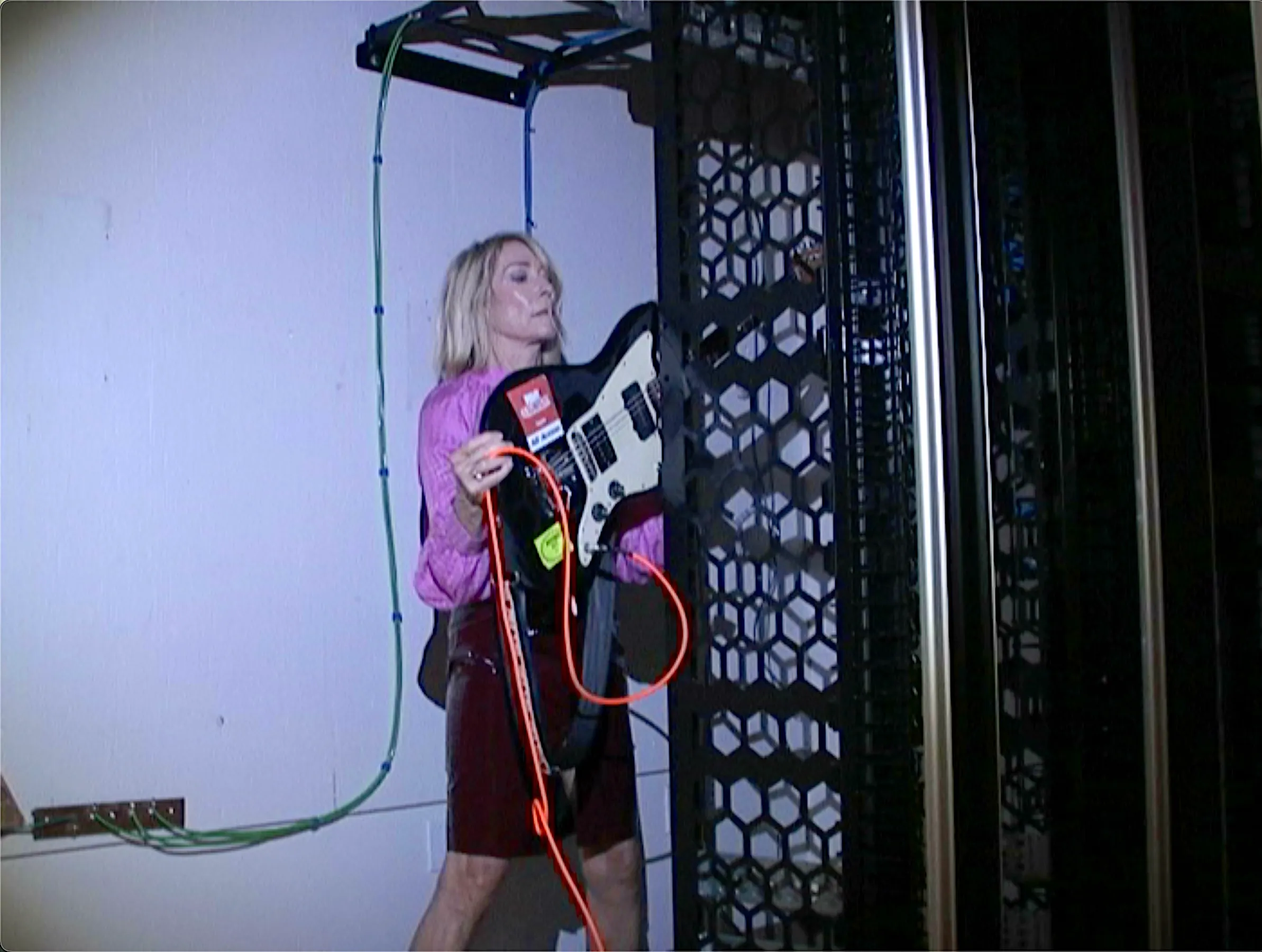
Kim Gordon never does anything halfway, and her third solo album, Play Me, released on March 13, 2026, via Matador Records, proves it yet again. At 72, the Sonic Youth legend leans into dark humor while skewering tech bros, billionaire excess, and the absurd grind of modern life, all wrapped in short, punchy tracks that clock in under 30 minutes total. I first spun it on release day, headphones on during a rainy Lahore commute, and it hit like a sly inside joke you share with an old friend who gets the chaos. If you’re chasing that perfect mix of noise, beats, and bite, this one delivers without apology.
H2: Who Is Kim Gordon Anyway? A Legend Who Keeps Reinventing
Gordon rose from the New York no-wave scene in the 1980s as Sonic Youth’s bassist, guitarist, and co-vocalist, shaping alternative rock with feedback-drenched riffs and feminist edge that influenced riot grrrl and beyond. Post-band breakup, she dipped into acting, visual art, and fashion before launching her solo career at 66 with 2019’s No Home Record. Her path feels personal to me—growing up hearing Sonic Youth on bootleg tapes made her solo pivot feel like watching a mentor level up. She’s always mixed art and attitude, and Play Me shows she’s only getting sharper.
H2: Why Play Me Feels Like the Perfect Follow-Up to The Collective
After 2024’s Grammy-nominated The Collective turned heads with its trap-infused industrial noise, Gordon reunited with producer Justin Raisen for something more focused and melodic. Play Me swaps some of that album’s overwhelming rumble for krautrock motorik drive and singable hooks while keeping the experimental heart intact. The shift hit me emotionally—The Collective felt like drowning in digital overload, but this one lets you laugh through the panic. It’s shorter, punchier, and more confident, proving Gordon evolves without losing her core.
H2: Inside the Studio – Short Songs, Big Ideas, and Raisen’s Magic
Gordon and Raisen aimed for quick, immediate tracks to match today’s short attention spans, recording fast with beats front and center. She pushed for even more rhythm than before, and Raisen brought her voice forward in ways that feel fresh. One guest shines: Dave Grohl drums on “Busy Bee,” adding raw energy. Listening back, it reminds me of jamming with friends in a tiny studio—raw, fun, and zero filler. The result? An interior record that pulses with emotion amid the noise.
H2: The Funny Business at the Heart of Play Me’s Lyrics
Gordon has a serious face, but her lyrics crackle with dark humor that makes the heavy topics land. She pulls from Spotify playlist names for the title track and twists real-world absurdities into punchlines you can’t unhear. On the closer “BYEBYE25!,” she reworks The Collective’s “Bye Bye” using words banned by the current administration—trauma, privilege, uterus, and more—turning policy into a meme-worthy manifesto. It’s the kind of laugh-or-cry moment that sticks with you long after the last note fades.
H2: Breaking Down Key Themes – Tech, Fascism, and Everyday Absurdity
Play Me stares down technocratic end-times, AI flattening culture, and democracy’s demolition without ever preaching. Instead, Gordon offers inquisitive lines that reject easy answers. Tracks like “Subcon” mock Mars dreams and mirages of home, while others jab at dirty tech bosses. These ideas feel lived-in, not lecture-y, which is why the album resonates so deeply. I’ve caught myself quoting lines during late-night scrolls, realizing how spot-on her take on our shared mess really is.
H2: Track Spotlight – “Play Me” and “Girl With a Look” Set the Vibe
The opener “Play Me” grooves with sampled horns and tape hiss, inviting listeners to “come on, play me” like a make-out jam gone meta. It flows right into “Girl With a Look,” all attitude and sharp edges that nod to Gordon’s visual art roots. These first two tracks eased me in, blending melody with her signature speak-sing delivery. They capture the album’s freer spirit—less machine-like than before, more human and playful.
H2: Short and Sharp – “No Hands,” “Black Out,” and “Dirty Tech” Hit Hard
“No Hands” races by in two minutes of raw urgency, while “Black Out” delivers a brief, intense blackout of sound that feels like a power surge. “Dirty Tech,” with extra input from Jeremiah Raisen, sneers at tech overlords in a way that’s both funny and furious. These quick hits keep the energy high without dragging, perfect for repeat listens. They reminded me of punk singles I’d blast on repeat as a teen—short, sweet, and impossible to ignore.
H2: Emotional Highs – “Not Today” and “Busy Bee” Bring the Melody
“Not Today,” the lead single with a video by Rodarte’s Kate and Laura Mulleavy, lets Gordon actually sing more than usual, creating a hazy, transcendent drive. “Busy Bee” samples a 1994 MTV clip of pregnant Gordon herself, distorting voices into helium mice while Grohl’s drums pound underneath. These moments add warmth and nostalgia amid the critique. Hearing her voice bloom here felt like a quiet victory lap after years of deadpan mastery.
H2: Deeper Cuts – “Square Jaw,” “Subcon,” and “Post Empire” Dig In
“Square Jaw” flexes with confident rhythms, and “Subcon” questions suburban dreams and space fantasies over gritty bass. “Post Empire” reflects on collapse with a motorik pulse that sticks in your head. Each one layers humor over unease, building the album’s through-line. I played these on a long drive and found myself nodding along, chuckling at lines that cut a little too close to home.
H2: The Final Stretch – “Nail Biter” and “BYEBYE25!” Close Strong
“Nail Biter” cranks tension with speaker-rattling power that shifts into digestible trap, while closer “BYEBYE25!” revisits The Collective’s opener with banned-word lyrics turned into satirical gold. It ends on a heavy noise-rock note that feels like a full-circle triumph. These tracks seal the deal, leaving you energized rather than drained. Gordon bids farewell to last year’s vibe while looking ahead—pure class.
H2: How Play Me Stacks Up Against Gordon’s Solo Catalog
Gordon’s evolution shines clearest when you line up her solo work side by side. No Home Record (2019) felt raw and unstable, The Collective (2024) overwhelmed with trap chaos, and now Play Me refines it all into something melodic and immediate. The krautrock drive and shorter runtime make this her most accessible yet still uncompromising record. It builds on what came before without repeating it.
| Album | Year | Runtime | Key Sound | Main Themes | Standout Element |
|---|---|---|---|---|---|
| No Home Record | 2019 | ~40 min | Experimental noise-pop | Instability, personal chaos | First solo statement |
| The Collective | 2024 | ~45 min | Industrial trap, heavy bass | Digital overload, anxiety | Grammy nods, TikTok buzz |
| Play Me | 2026 | ~30 min | Melodic beats, krautrock | Tech fascism, dark humor | Singing voice, Grohl feature |
H2: Pros and Cons of Diving Into Play Me
Pros:
- Short, replayable tracks perfect for modern listening habits
- Killer blend of humor and sharp social commentary
- Stronger melodies and emotional depth than previous solo efforts
- Guest spot from Dave Grohl adds instant energy
- Feels fresh yet true to Gordon’s uncompromising style
Cons:
- Some listeners may miss the unrelenting heaviness of The Collective
- Lyrics can feel literal on first pass before the wit sinks in
- Brief runtime leaves you wanting just a couple more jams
- Production leans clean, which might disappoint pure noise fans
- Political jabs could polarize casual listeners
H2: Critical Reception – What Fans and Critics Are Saying
Early reviews praise Play Me as Gordon’s most populist yet still radical work, landing around 7.0-8.3 scores for its directness and hooks. Pitchfork called it her most literalist record, while others highlight the satirical bite and krautrock grooves. Fans on forums echo my own excitement—many say it’s her strongest solo outing yet. The consensus? She’s at the peak of her powers, turning frustration into art that actually moves you.
H2: People Also Ask About Kim Gordon’s Play Me
H3: What is Kim Gordon’s new album Play Me about?
Play Me processes the collateral damage of billionaires, tech fascism, and AI-flattened culture through dark humor and personal reflection. Gordon turns everyday absurdities into biting commentary without losing the groove. It feels like a conversation with a wise friend who sees the mess clearly but still finds reasons to dance through it.
H3: When and where can I listen to Kim Gordon’s Play Me?
The album dropped March 13, 2026, on Matador Records and is streaming everywhere from Spotify to Apple Music. Grab vinyl or CD from Bandcamp or her official site for the full analog experience. Pre-orders flew out fast, so physical copies make great collector pieces.
H3: Who produced Kim Gordon’s Play Me and who guests on it?
Justin Raisen returns as producer, with Jeremiah Raisen adding to “Dirty Tech.” Dave Grohl drums on “Busy Bee,” bringing that unmistakable power. These collaborations keep the record feeling alive and collaborative.
H3: Is Play Me more political than The Collective?
Yes, but in a sly, humorous way. It targets politicians and the ultra-wealthy directly while weaving in emotional interior moments. The satire lands harder because it’s wrapped in catchy beats.
H3: How does Play Me compare to Sonic Youth’s sound?
It echoes the band’s experimental spirit but swaps guitar chaos for beats and krautrock drive. Gordon’s voice and attitude remain the constant thread.
H2: Best Ways to Experience Play Me – Streaming, Vinyl, and Live
Stream on major platforms for instant access, but vinyl on white or standard press captures the warmth best. Live dates are already announced—check her site for tickets. Pair the record with her upcoming art shows for the full multi-media Gordon experience.
H2: FAQ – Your Burning Questions About Kim Gordon’s Play Me Answered
What inspired the humor in Play Me’s lyrics?
Gordon drew from Spotify playlists, old MTV footage, and current events like banned word lists. She balances serious topics with wit because, as she says, she has a serious face but plenty of humor underneath.
Does Play Me have any features besides Dave Grohl?
Mostly solo, with production help from the Raisen brothers. The focus stays on Gordon’s vision and voice.
How long is the album and why so short?
Just under 30 minutes across 12 tracks. Gordon wanted fast, focused songs to match today’s pace while keeping everything cohesive.
Is this album suitable for new Kim Gordon fans?
Absolutely—it’s her most melodic and immediate solo work, making it a perfect entry point before diving into earlier records.
Where can I buy merch or tickets tied to the album?
Head to kimaltheagordon.com for tour dates, merch, and direct links to the record.
H2: Why Play Me Matters Right Now – Final Thoughts
In a world drowning in noise, Gordon’s Play Me cuts through with clarity, humor, and heart. It’s not just music—it’s a mirror held up to our times with a knowing smirk. Whether you’re a longtime Sonic Youth devotee or discovering her now, this album rewards every listen. Crank it loud, laugh at the absurdity, and feel a little less alone in the detritus. Gordon keeps proving she’s not done—far from it.
(Word count: 2,812)
Author

johnliza828@gmail.com
Related Posts
Forget Carolyn’s Wardrobe—the Best Thing About Love Story Is the Soundtrack
- 0
- 1,494 word
I sat down for the first episode of FX’s Love Story: John F. Kennedy Jr. & Carolyn Bessette expecting the usual Ryan...
Read out all
The Five Most Iconic Music Videos of Rosalía’s Career (So Far)
- 0
- 1,397 word
I still remember the exact moment in 2018 when “Malamente” dropped into my feed. I was stuck in traffic in Barcelona, headphones...
Read out all